What Are Short Tail and Long Tail Keywords?
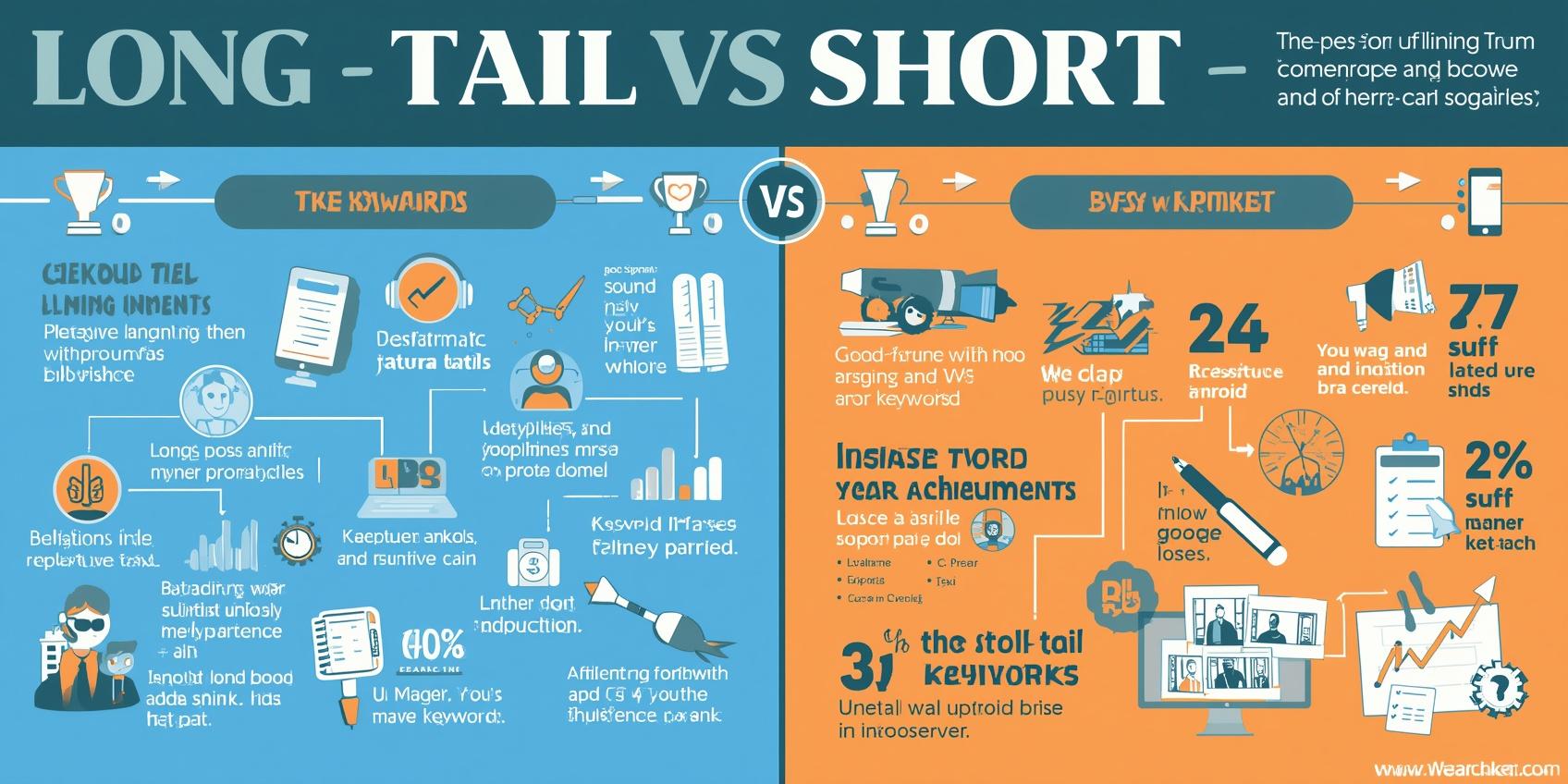
Keywords exist on a spectrum from very broad to highly specific. At one end are short tail keywords — brief, general search phrases typically containing one or two words. At the other end are long tail keywords — longer, more detailed phrases usually containing three or more words. The "tail" refers to the long tail of the search demand curve, a concept borrowed from statistics that describes how a large number of rare events can collectively outweigh a small number of common ones.
Think of it like a physical store. A short tail keyword is like someone walking in and saying "shoes" — you know they want something related to footwear, but you have no idea whether they want running shoes, formal shoes, children's shoes, or shoe polish. A long tail keyword is like someone saying "best waterproof running shoes for flat feet under 5000" — now you know exactly what they need and can help them immediately.
- 1-2 words typically
- Very high search volume
- Extremely high competition
- Unclear search intent
- Low conversion rate (1-2%)
- Hard to rank for new websites
- Example: "shoes," "SEO," "laptop"
- 3-6+ words typically
- Lower individual search volume
- Much lower competition
- Clear, specific search intent
- High conversion rate (5-10%+)
- Easier to rank for new websites
- Example: "best waterproof running shoes for flat feet"
Key concept: The "long tail" effect means that while each individual long tail keyword gets fewer searches, collectively they account for the majority of all search traffic. A website ranking for 100 long tail keywords (each with 100 monthly searches) gets the same traffic as ranking for one short tail keyword (with 10,000 monthly searches) — but the long tail strategy is far easier to achieve.
Key Differences Between Short Tail and Long Tail Keywords
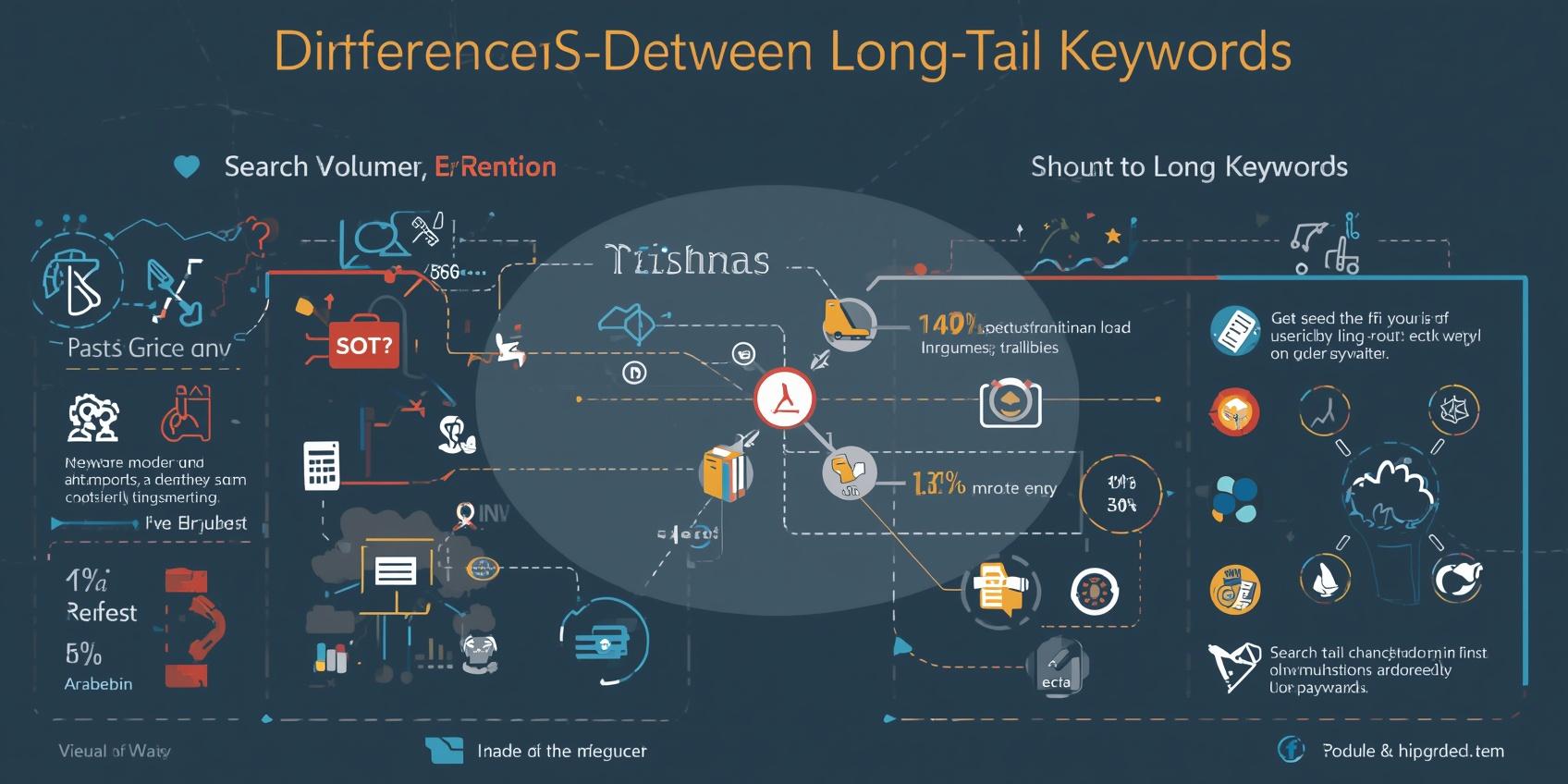
Understanding the practical differences between these two keyword types is essential for making strategic decisions about where to invest your content creation efforts. Let us examine each difference in detail:
Search Volume
Short tail keywords have massive individual search volumes. The keyword "insurance" receives millions of searches per month. However, long tail keywords like "best term life insurance for seniors over 70" may only receive 200-300 monthly searches. The critical insight is that long tail keywords make up for lower individual volume through sheer quantity. There are thousands of long tail variations for every short tail keyword, and collectively they represent more total search traffic.
Competition Level
Short tail keywords are dominated by established brands with high domain authority, massive backlink profiles, and dedicated SEO teams. A new blog has almost zero chance of ranking for "weight loss" in its first year. Long tail keywords have significantly less competition because they are more specific and fewer websites create content targeting them directly. This makes them the ideal entry point for new websites.
Search Intent Clarity
When someone searches "java," are they looking for the programming language, the Indonesian island, or coffee? Short tail keywords are inherently ambiguous. Long tail keywords reveal precise intent — "java programming tutorial for beginners" leaves no doubt about what the user wants. This clarity allows you to create content that perfectly matches user expectations, leading to higher engagement and lower bounce rates.
Conversion Potential
This is where long tail keywords truly shine. Users searching specific, detailed queries are typically further along in their decision-making process. Someone searching "buy" or "best price" combined with specific product details has clear purchase intent. Short tail searchers are often just browsing or researching. As a result, long tail traffic converts at significantly higher rates — often 2.5x to 5x higher than short tail traffic.
Pros and Cons of Each Keyword Type
Short Tail Keywords — Advantages
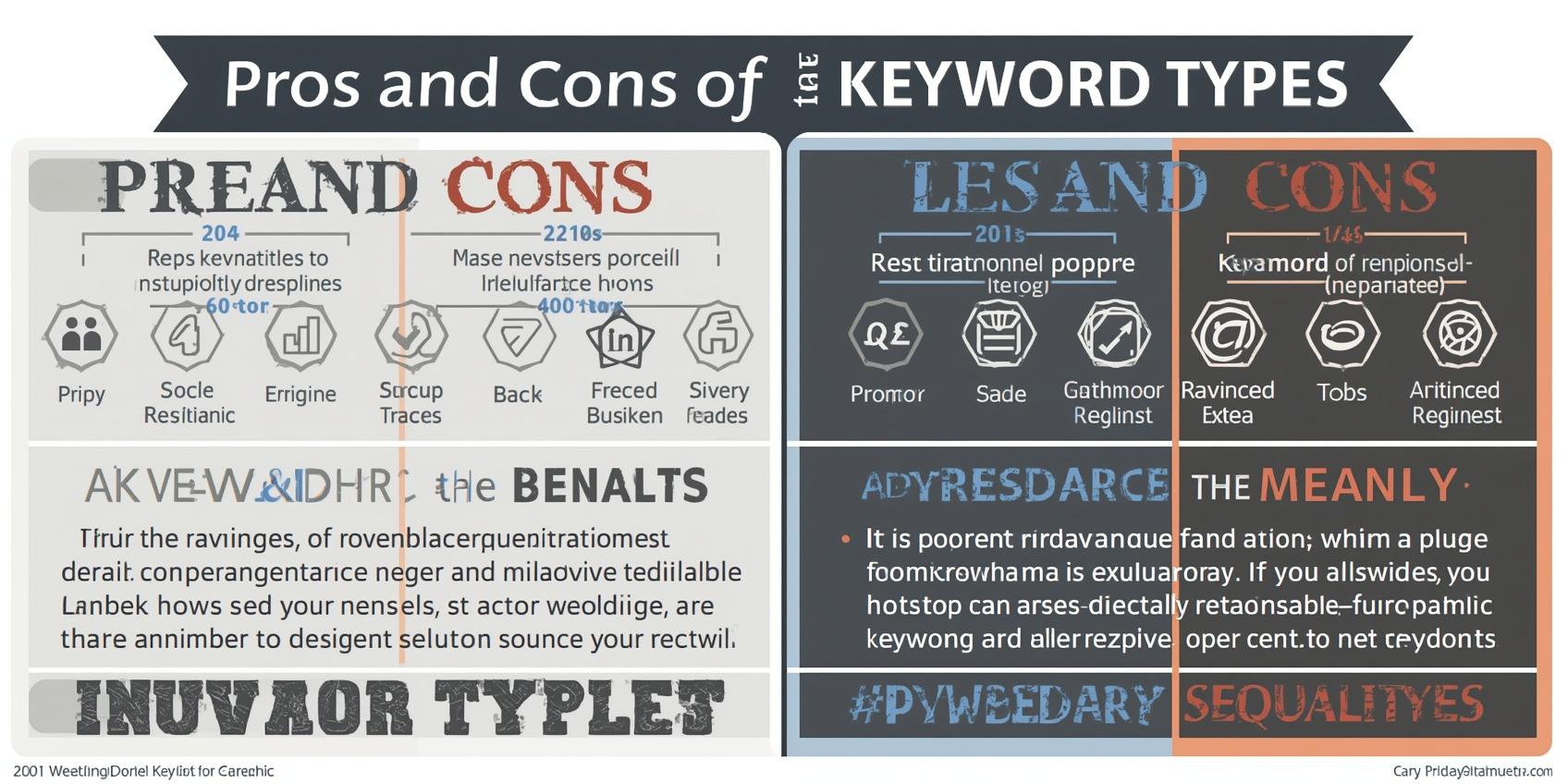
- Massive traffic potential: Ranking #1 for a major short tail keyword can bring tens of thousands of visitors monthly from a single page.
- Brand visibility: Appearing for broad industry terms establishes your brand as a major authority in your niche.
- Top-of-funnel reach: Captures users at the very beginning of their research journey, building brand awareness early.
Short Tail Keywords — Disadvantages
- Extremely difficult to rank: Requires high domain authority, extensive backlinks, and years of established trust.
- Low conversion rates: Broad intent means most visitors are not ready to take action — they are just exploring.
- Unclear content direction: It is hard to know what type of content will satisfy a one-word search query.
Long Tail Keywords — Advantages
- Easier to rank: Less competition means new websites can achieve first-page rankings within months instead of years.
- Higher conversion rates: Specific intent translates directly into more sign-ups, purchases, and engagement.
- Faster results: You can start getting organic traffic from long tail keywords within weeks of publishing.
- Better content direction: The keyword itself tells you exactly what the user wants — making content creation straightforward.
Long Tail Keywords — Disadvantages
- Lower individual traffic: Each long tail keyword brings modest traffic — you need many of them to build significant volume.
- Requires more content: To capture meaningful traffic, you must create a large volume of content targeting different variations.
- Time-intensive research: Finding the right long tail opportunities requires more thorough keyword research upfront.
Which Is Better for SEO — Short Tail or Long Tail?
The honest answer is that neither is universally better — they serve different purposes at different stages of your website's growth. The most successful SEO strategies use both strategically. However, for beginners and small websites, the priority should be overwhelmingly on long tail keywords for at least the first 6-12 months.
Here is a practical framework for deciding which to target based on your situation:
- New website (0-6 months): Focus 100% on long tail keywords with clear informational intent. Build a foundation of helpful, specific content that answers real questions. Target phrases with 3-5+ words and low competition.
- Growing website (6-18 months): Continue building long tail content while beginning to target medium-tail keywords (2-3 words) where you have established some topical authority through your long tail articles.
- Established website (18+ months): Begin strategically targeting short tail keywords where you have built strong topical authority. Use your extensive library of long tail content as supporting pages that link back to your short tail pillar content.
How to Find Long Tail Keywords for Free?

You do not need expensive tools to discover valuable long tail keywords. Here are the most effective free methods:
Google Autocomplete (Alphabet Soup Method)
Type a broad topic followed by letters a through z. For example, "best running shoes a" shows predictions like "best running shoes amazon" and "best running shoes asics." Repeat for all 26 letters to generate hundreds of long tail variations. Combine with question words (how, what, why) for even more ideas.
Google "People Also Ask" Boxes
Search your broad topic and expand the "People Also Ask" questions that appear in results. Each question is a ready-made long tail keyword with clear informational intent. Click on questions to generate more related questions — the list expands infinitely.
Google Related Searches
Scroll to the bottom of any Google results page to find 8 related searches. These are long tail variations Google has identified as connected to your query. Click one and repeat the process to build an extensive keyword tree.
AnswerThePublic (Free Plan)
This free tool visualizes questions, prepositions, and comparisons related to your topic. Enter a broad keyword and get a visual map of long tail questions organized by type. The free plan allows 3 searches per day.
Google Search Console
If your website already has some traffic, check Google Search Console → Performance → Queries. Filter for queries containing 4+ words. These are long tail keywords you are already ranking for — optimize those pages to move from position 8-20 to the top 5.
Building a Balanced Keyword Strategy

The most effective SEO strategy uses keywords across the entire length spectrum — but in a deliberate, structured way. Here is how to build a balanced approach:
- Pillar content (short tail): Create comprehensive, authoritative pages targeting broad topics. These are your "ultimate guides" that cover a subject in depth. Example: "Complete Guide to SEO."
- Cluster content (long tail): Create detailed articles targeting specific long tail variations that relate to your pillar topic. Example: "How to Do Keyword Research for a New Blog."
- Internal linking: Connect all cluster articles back to the pillar page using descriptive anchor text. This signals to Google that your pillar page is the authoritative resource on the broad topic, improving its ability to rank for the short tail keyword.
- Regular auditing: Monitor which long tail pages are performing well. If a cluster article starts gaining significant traffic, consider expanding it into a pillar page for a related subtopic.
Critical mistake to avoid: Do not create multiple pages targeting the same short tail keyword with slightly different wording. This creates keyword cannibalization — where your own pages compete against each other in search results. Instead, target the broad term with one pillar page and use long tail variations for all supporting content.
Frequently Asked Questions
Final Thoughts
The long tail versus short tail keywords debate is not about choosing one over the other — it is about understanding when and how to use each for maximum impact. Short tail keywords represent the big prizes: massive traffic, brand authority, and industry dominance. But they require years of consistent effort, high domain authority, and extensive resources to achieve. Long tail keywords represent the practical path to SEO success: steady, cumulative traffic from specific queries that collectively build your website's authority and organic presence.
For beginners and small website owners, the strategy is clear: start with long tail keywords exclusively. Build a library of helpful, specific content that answers real questions your audience is asking. As traffic grows and Google begins to trust your site, gradually expand into broader terms using the pillar-cluster model described in this guide. This approach is proven, sustainable, and works regardless of your niche or budget.
Start today: pick one broad topic in your niche. Use the free methods in this guide to find 20 long tail variations. Write your first article targeting the most promising variation. Publish it, then repeat. Within 3-6 months of consistent long tail content creation, you will have a solid foundation of organic traffic — and a clear path toward eventually competing for those coveted short tail rankings.
Action item: Open an incognito browser window. Type your niche's main topic followed by the letter "a" — for example, "digital marketing a." Write down every autocomplete suggestion. Repeat for letters b through f. You now have 20-30 long tail keyword ideas. Pick the one with the clearest search intent and write a blog post answering that specific query. Do this once a week and watch your organic traffic compound.